


[adrotate group=”3″]
Richard shared a variety of observations and concepts including consumer's changing tv view habits; trends impacting advertising's future; shifts in how brands spend their budgets and more.
Click the play button below to listen to our conversation or read it.
Subscribe with:



[00:00:00] Dave Forde: Lights camera, action. It is the upfront season. I'm your boy - Dave Forde, The Connected One.. And this is the time of the year when the broadcasters, digital players and other apps, they put on the show to attract media buyers. And brands to invest in the respective advertising solutions. As part of our coverage.
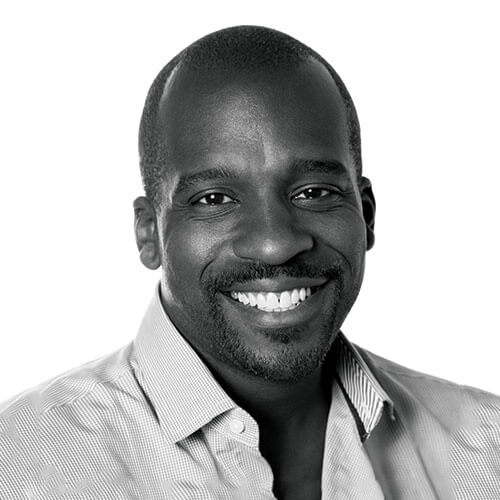
This year, we are talking to the one, the only Richard Ivy, who is the Chief Procurement Officer for Media Experts. He's got over 30 years of industry expertise on the buying side. He has seen it, he has done it. He has been part of the change and he will be part of the next influx of change. We're gonna dive into what happened over the last few weeks, Richard.
How are you doing today?
[00:00:47] Richard Ivey: I'm doing great. I'm doing great. Thank you for chatting with me. I'm happy to give you any insights I can and I will I'll try to keep my answers clear and concise for you.
[00:00:56] Dave Forde: all right. Beautiful. So break it down for us. Your title is [00:01:00] Chief Recruitment Officer. What does that mean in relation to media buying and planning?
[00:01:03] Richard Ivey: Well, I actually work with all of our investment teams, so that's broadcast, it's digital, our negotiating group, procurement group. So we, we oversee the planning buying, or of the, of our, of our TV and investments. And then I also do work with, the broadcasters or, or all the vendors to deal with our contract negotiations and agency deals..
So I oversee all of that.
[00:01:28] Dave Forde: All right. So TV. A lot of us still watch it in some way, shape or form, cuz it's obviously changing. What were some of your favorite shows from last season?
[00:01:40] Richard Ivey: So it's interesting when you talk about TV and what your favorite shows are, it used to. All the TV, the best TV shows are the ones that you'd wanna watch were on network.
They were, you know, they were on ad supported and that has changed pretty dramatically. So for me, you know, a lot of the stuff that I'm watching now is on the streaming services, whether they're Disney plus or Netflix or whatever. So it's, you know, [00:02:00] it's, I'm a, I'm like a, I'm like a superhero Marvel type type type person.
So I love things like, you know, the the Disney plus shows, yep. You know, Hawkeys, and, and, you know, And those type of things, but I also, you know, and then all for the Amazon stuff, like the boys and all those things. So there's a lot of stuff that's on that side. On the, I think the only shows that I've watched that are on the on the sort of the traditional networks, like Global and, and CTV and that sort of thing. I think I watched Ghost, which was actually a really good show on Global and I and I've also watched Abbot Elementary, but again, a lot of the stuff I did a lot of catch up stuff on those ones were done, were done on streaming services.
So. I you know, maybe jumping ahead in, in terms of some of the things we're gonna talk about, but it's, it's really interesting that the conventional networks really have, are gonna start, have to start leaning on what's, you know, the streaming services just to keep their audiences because they're gonna start losing them to other streaming platforms and non-ad supported platforms.
So it's, it's a, it's a kind of an interesting, you know, [00:03:00] influx at, you know, we're at an interesting influx right now. When it comes to how TV people watch TV and watch screen. Yeah.
[00:03:09] Dave Forde: So moving forward now, again, we've just seen the traditional upfront. So the traditional broadcasters, are there any shows that you're looking forward to?
You've named two that you, you watched from last season, but moving forward, are there any new shows that you can't wait
[00:03:22] Richard Ivey: Can't wait there you don't. Okay. So there weren't that many. Brand new shows, to be honest with you. Think Corus had a couple and Rogers, I think maybe had one, you know, it was pretty, it's pretty light.
I think bell had the most, new programming. So I, the only one, but I think I I'm a bit of a throwback. So I think the, the night court one looks kind of interesting only because I like John Larroquette and I used to love the old show. So that's a bit of a nostalgic kick, so I'll probably give that one a chance.
But other than that, I'm telling you most of the, a lot of the, a lot of the shows that I'm gonna be probably watching are still gonna be streaming shows.
[00:03:52] Dave Forde: Are there any trends that really stood out as you look back at the four broadcasters who present upfronts this year?
[00:03:53] Richard Ivey: It's all about data.. That's that's the biggest trend.
I think we we've talked about that. We've actually addressed that as an [00:04:00] agency because we know that's where it's going. We've been, we've been preparing for this. Sure. And it's all about data. It's all about streaming services, connected TV. It's all about trying to, you know, I think the broadcasters have finally caught up to the, well now I won't say caught up.
I think the broadcasters have finally woken up and started to try to catch up to what's been happening, in, in the digital, in the digital. Channels, whether it's, you know, the Googles and Amazons and those type of, of the world where they were really lean, they've been leading into to data for years.
And, you know, when they had conversations with clients, they could really talk to clients about their con about their, their audiences. Like, you know, Amazon could tell you more about your, about a client, an advertiser, more about their audience than the a than the advertiser means because they have all of this, this data first party data that they ha they're able to harvest and use from, you know, people.
Interacting with Amazon platform or Google's platform or whatever, or Facebook. So they were able to have these conversations and, and really, they got far, far ahead of where the broadcasters were, because the broadcasters, you know, for [00:05:00] years and years were still just selling, selling GRPs, you know, they were selling, you know, your, the basic box car numbers.
It's like, we, you know we know that X number of people watched it, but it didn't give us, give an advertiser or a client, a brand, any information on who those people were, what they were actually doing when they were watching, how did they actually. With the brand after the fact, those type of things. So I think the biggest change this year, and I think is that those, the broadcasters are starting to finally catch up and start saying, Hey, we need to be able to deliver on what audiences and what data can can do for for advertisers through our platforms.
Right. So that's where you've kind of now you've seen, yeah, all of broadcasters talked about the conventional stuff and what they were gonna be putting on their commercial on their linear services. But every one of them pivoted very quickly in the In their conversations to what are we doing in streaming and what are we doing with audiences and how are we targeting audiences and how are we reporting on audiences and those types of things, which, which is a huge change.
And it's probably, it's pretty welcome, but it also means that, you know it, it's gonna be a little hard to negotiate with them [00:06:00] too, because now they do have some, some information to back up there, out there claims. But, but I think it's a good thing for all that, for that we know now, you know, who we, we have a better sense of who's watching and what are they doing after they watch.
[00:06:12] Dave Forde: So again, when it comes to advertising, there are so many ways in which a brand can advertise. You've got radio, you've got TV, you've got streaming apps, search streaming services. You've got social networks. Are you, are you noticing that there's that, that clients' budgets are changing in this next year?
And if so, where? If so, where are they focused on more versus what
[00:06:33] Richard Ivey: happened last. Yeah, I wouldn't, yeah, I guess I wouldn't say it's changed in the last year. It's changed over the last five years. They've been moving, those budgets have been moving. I think, um, you know, I think tradit well, traditional, you know, your offline media, those are that's that they used to be.
I'll put it this way. They used to be first on last. Right. It was like, you put your, you put TV, you used to put TV, radio print. All those things would just would [00:07:00] be on the plan. First digital was kind of like your secondary now that's completely flipped. The other way. Digital is first and it's and if a client only had $1 to spend, they're gonna spend it on a digital platform. Social probably has, has completely taken. Overtaken most of the most of the, the conversation when it comes to, where do we want, where a lot of clients wanna put their first dollar, it's like, it's digital and social. Absolutely. You can't get you, you know, you can't, you can't ignore those, those things.
Right. So that's a big, that's a big change over the last few years. We don't see, you know, it's, it, isn't just a, you know, it isn't just a tradit. Platforms that that clients wanna be a part of, they really need to be a part of the digital platforms and that's, and that's flipped pretty, pretty drastically, I think, in the last year.
You know, I think again, digital has been digital is probably been the, the biggest shift and. Things like influencers have, have made a huge growth, have been a huge growth for clients over the last year or so couple of years influencers are a big piece of a big part of a lot of our clients [00:08:00] discussions.
Now it's like they understand that they need to kind of give up a little bit of their brand in terms of letting other people talk about their brands and experience the brand and, and, and represent the brand. That's not, so that's not, you know, directly driven by. You know, the their, the creative agency in their own message.
It's more like we're gonna give some license to people to talk about the brand, the way they experience a brand. And that's been a really big, a big change when, you know, for a lot of clients to be able to, you know, let, go of, let go of some of the that, that control and let influencers kind of tell them, tell people how they experience using a client's brand.
And that's. It's very different.
[00:08:37] Dave Forde: So another big change that is coming to the industry is this whole cookie -less world. Yeah. How is your agency preparing that?
[00:08:42] Richard Ivey: We actually have been preparing for this for a long, long time. You know, we've been talking to our clients about it for, I would say probably three or four years ever since a ever since, safari.
Apple's changed their safari platform to. To go to you know, have not, no tracking and and that sort of thing. So we've been talking to the clients for that a [00:09:00] long time and we've actually been preparing for a long time. So one of the things that we've done is, you know, we have a lot of, we have what we, what we have called is HVAs or high value audiences that we actually are able to use real data from, one of our partners of our agency are one of these are owned by our agency is Axiom, which is like a which is datahouse.
And we have, and we are able to use a lot of that data, merge it with, with traditional data, whether a traditional and other digital platforms to to create. Profiles that are gonna, and that are gonna be able to withstand the loss of, of cookie tracking of, and that's gonna be a big deal.
So we are able to start to look at audiences and be able to target audiences that are, that don't rely on cookies. And that's a huge deal for our clients because we know that once the cookie is gone, it resets the, it kind of resets the landscape and we had to be prepared for that. So we are doing a lot of on our side to make sure that our clients are all prepared for that, for that eventuality.
[00:09:52] Dave Forde: Obviously, you know, you, you can't talk about change without referring to the pandemic. What impact has the pandemic had on [00:10:00] consumer shopping, buying habits, shopping habits?
[00:10:03] Richard Ivey: I think everybody realizes that digital buying, through digital channels has been like a huge shift in consumer behavior over the last couple of years. I think, if you'd have asked anybody in 2019, how long it would've taken for us to reach the level of digital, shopping and consumer shopping that we are right now in 2022, we've probably said it was, it wasn't two years away. It was probably more like five or 10 years away.
In some cases, I think the pandemic accelerated it, you know, by multiplier, by, you know, multiple you know, exponentially, I think where we, so that we ended up You know, accelerating how people interacted with brands online and how people shopped online. I mean, there were, you know, I think things like grocery shopping and those companies that do boxed box dinners and stuff like that, that have exploded because people had to stay in and they, and they started trying out things.
They would never have tried out. So I think now that it's happened, I don't think people are gonna go. I don't think people are gonna immediately revert back to the way they [00:11:00] were before. So that's, that's been a huge shift and I think it's a, it's kind of a permanent one.
I think, and so that's, that's been a, that's been a definite different difference maker. I think it also accelerated all of the stuff you're talking about in terms of streaming and that sort of thing. All the platforms. That's accelerated. So how people shifted away from linear TV to more ondemand or VOD or streaming or all those things?
I think that's been another huge shift. I think that the pandemic has accelerated over the as well. In terms of some of the traditional media out of home and that sort of thing. We saw a lot of people move away from out of home during the pandemic made, which obviously made sense, but they're kind of coming back.
It's kind of coming back, I think out of home managed to bounce back quicker, I think, than I would've expected because as soon as people hit the streets started going outside again, we started to see advertisers want to get back in front of them and, and, and really do some things that are, that maybe take their message away from just screen.
You know, screens in your pen, screens in your pocket screens, in your house, it's kind of put them, put, put their message back on the street, which, which quite frankly, I [00:12:00] feel like that sometimes make you feel bigger when you're on the street.
[00:12:03] Dave Forde: The nuclear family, I feel that is a term that we would always use, but now it's a thing of the past.
So looking at it today, who controls the household budget and how do brand reach that person?
[00:12:11] Richard Ivey: Well, I would say that this whole, the idea of the nuclear family was always kind of wrong. There were have always been various types of families. I mean, my family was different from the person I knew down the streets, family, everything was always kind of different. So this idea of the nuclear family, well, that was, it's kind, you know, it's it was kind of like your normal..
You know, the, it was kind of like people saying, you know, you know, the, the, the normal, right. Everyone wants to say, this is the normal it's, you know, and, and of course you saw that in advertising. It was like, you know, mom, dad, you know, usually white couple of kids, a dog or whatever. And that was, and that was considered usually white.
Yes. And that was considered normal. Right. Everything else. Niche or everything else was niche or everything else was you know, different or whatever. Or we were, you know, we're catering or pat patronizing one group or another. So I think, I think the idea of like [00:13:00] nuclear and normal and all those type of things, I think they were wrong all from the, from the get go.
I think what we're finding now is that you can actually see that families aren't the same. Everybody like very families are different people are different. And people need to be spoken to in different ways. You can't talk to everybody with one voice and expect that and expect that people are gonna accept, accept a message, right?
Like it doesn't work anymore. Especially when people know you can, they can be spoken to in different ways. It was one thing when we had one, you know, three networks and, and no, and no other way to get messages out, but we people know they can be that, that you can talk directly to them now. And if you.
It's you're will it's because you're willfully not doing it. You don't want to have that conversation with people in their, in, in their own space. And I think that's a, that that's, I think what's, what's changed a lot in, in terms of, you know, how you address people now how you address you know, individuals and, and thinking about diversity and thinking about inclusion.
That's a big part of it. So I, you know, I absolutely encourage clients to sort of dig deeper and not just [00:14:00] talk about, you know, the, the, you know, here's what the average is because the average is made up of a lot of people. And if you speak to the average, it's kind of the lowest common in denominator.
I don't think you're gonna, you're gonna have a, you know, very relevant conversations with most of the people that you're talking. That you wanna reach.
[00:14:17] Dave Forde: So what you, so you talked about data as being one of the big trends that you noticed coming from the coming out of the upfront season. Do you have a, a message or wishlist that you, that you'd sort of say to brands in terms of what they need to do to prepare for this cookie-less for this world where first party data will be almost crucial to a brand's success. What can they do to prepare for this?
[00:14:35] Richard Ivey: Yeah, I guess you have you, you gotta start thinking be you gotta start going deeper. I think you gotta start thinking about audiences and how you can, how you can segment those audiences, how you can start to deal to dig into, you know who uses your brand and who do you want to use your brand and those type of things and the best.
And you can't do that. Based on proxy data from, you know, cookies like, or based on old information with cookies, that's gonna go away. [00:15:00] So the best way to do it is to find a reputable, either find reputable partners, reputable, and that could be agencies. It could be vendors, it could be whatever, but find reputable partners who have good information, good data.
And then make sure you're tracking your you're keeping, you're keeping your own customers. Audience is, you know, keeping that own customer data close, right? Like understanding what, who are your shoppers, who are your consumers, and then figuring out how to make those, how to, how to connect it, to connect it to.
So having a, having a good partner who understands how to take both parts, like, you know, the first party data from your from their own stack and then, and merge that with second party data from other various sources, and then link that up to the vendors, the publishers having a really good partner at middle in or even if you're doing it on your own or as a client is gonna be super important.
But that's gonna be the big, that's gonna be the game changer for most clients is understanding. They've got information that if it's merged with the right, with the right partner, it's gonna be, it's gonna be a multiplier. It's gonna deliver [00:16:00] exponentially. So that's our, that's the way we are looking at it.
And that's why we try to position ourselves as that trusted middle person, trusted middle group, who can help, who can help our clients, merge that information with, you know, with, with the media channels that are out there and their first party data. So that's, that's a, I think that's gonna be huge going forward for most clients.
Understanding their own data. So a lot of clients are now, you know, bringing on data scientists in house, you know that's, that's probably gonna be important. You know, cause it's, you know, a lot of the people who are, who have a co have the data they're marketers, but they're not under, they don't necessarily understand the science of audiences and how to how to pull information apart.
You need somebody like that who can actually do that. You know, again, we offer those things at Medi cause we know it's important, but also we, you know, we, we, we've been working with clients who are, who are trying to build some of those things in house as well. But it's super important.
[00:16:52] Dave Forde: And how do you define an iconic brand iconic brand?[00:17:00]
[00:17:01] Richard Ivey: I think an iconic brand would be from my perspective would be one that stands to test of time. Like they, they have a very, they have a vision. They have a platform that is know That has lasted and that stays relevant.
You know, they may change the taglines or the words or even some of the things they do in terms of media, but they stand for, how they put their message into market stays is consistent and I think that's the mark of something that can be iconic.
You know, there are brands out there that change, you know, that seems like every few years, everything sort of changes up and they're a different brand. And because you know something about working one day to the next, but there are brands who really stand to test time because they understand who they are.
They understand what these, what their audiences need from them. And they consistently fulfill. So yeah I think that's consistency and consistency and, and remaining relevant to your, to your consumers is probably the thing that I would say makes you, makes you iconic. Okay.
[00:17:53] Dave Forde: My final question for the day.
So you've been to a number of up upfronts over the years. What do you see as [00:18:00] the future of upfront need whole upfront new front model? Will it be changing? Will it be evolving? What's your thoughts there?
[00:18:06] Richard Ivey: Yeah, it was interesting that the only broadcaster that did an in person this year really was Bell.
It's a huge undertaking to do them live. And I kind of wonder if they will ever gonna come back to the extent that it used to, . But again I think there's some value in doing them in-person doing some of those things. But again, I can't really speak to what the broadcasters or those of those folks, you know, need to do in terms of whether it makes sense for them to continue and do it live.
It's certainly, you can certainly get the message across in a virtual setting. You can also talk to more people, but you know, I, I think there's, I think that's gonna be something that they'll have to decide as an industry, whether we need to do them live anymore. Less and less, I think it's, that's, that's gonna be an interesting thing to watch.
I think the, I think the digital guys, the digital players, the big, you know, like the Snapchats and TikToks and all that, they've kind of taken the place. They've kind of jumped in and, and filled that gap. They're the ones who are doing those big [00:19:00] splashy, you know, live. You know, the upfronts, the new fronts, the, you know, those type of things.
And I think that's, and, and I think they, they've kind of leaned into it and I they've become like the new, the new broadcasters, so to see in a way. But yeah, I think that's, I think that you're gonna, I think. Going forward, it's gonna be, it is gonna remain like there's gonna be the big players who probably still do the splashy ones.
And then there's gonna be the through mid tier other ones that do more virtual ones, where they can talk to more people and, and, and get the message a little bit broader where they're not just talking to, you know, the, the top clients and top agency folk who get invited to everything, you know, because they are, you've been in the industry for 30 years, but also people who are brand new to the industry who do a lot of the day to day work and are gonna be the ones who need to know, what's what, how to buy their product and how to, how to interact with their, their reps and how to use the use their platforms properly. So I think there's, uh, I think.
There's a good mix to be had. I certainly think the flashy stuff is there, but I think you're gonna, I think making sure that they get their message out to everybody at all levels is gonna be [00:20:00] important. I think those virtual sessions are gonna be the virtual fronts are gonna be the ones, the ways that they can do that.
[00:20:05] Dave Forde: So I think there's gonna be a, I think there's gonna remain a mix. Okay. Well there you have a boys and girls, the one and only Richard Ivy. He shared his thoughts. He shared his vision. You know what as usual it was some good stuff.
Richard, appreciate your time today. Uh, I hope,
[00:20:20] Richard Ivey: I hope I was helpful. I hope some people got, you got something out of it and yeah, no was happy to do it.
So thanks a lot, David. Really appreciate you having me on.
[00:20:28] Dave Forde: Absolutely. We'll talk to you soon. See you at the next cocktail
reception.
Conversation with Richard Ivey
[00:00:00] Dave Forde: Lights camera, action. It is the upfront season. I'm your boy - Dave Forde, The Connected One.. And this is the time of the year when the broadcasters, digital players and other apps, they put on the show to attract media buyers. And brands to invest in the respective advertising solutions. As part of our coverage.
This year, we are talking to the one, the only Richard Ivy, who is the Chief Procurement Officer for Media Experts. He's got over 30 years of industry expertise on the buying side. He has seen it, he has done it. He has been part of the change and he will be part of the next influx of change. We're gonna dive into what happened over the last few weeks, Richard.
How are you doing today?
[00:00:47] Richard Ivey: I'm doing great. I'm doing great. Thank you for chatting with me. I'm happy to give you any insights I can and I will I'll try to keep my answers clear and concise for you.
[00:00:56] Dave Forde: all right. Beautiful. So break it down for us. Your title is [00:01:00] Chief Recruitment Officer. What does that mean in relation to media buying and planning?
[00:01:03] Richard Ivey: Well, I actually work with all of our investment teams, so that's broadcast, it's digital, our negotiating group, procurement group. So we, we oversee the planning buying, or of the, of our, of our TV and investments. And then I also do work with, the broadcasters or, or all the vendors to deal with our contract negotiations and agency deals..
So I oversee all of that.
[00:01:28] Dave Forde: All right. So TV. A lot of us still watch it in some way, shape or form, cuz it's obviously changing. What were some of your favorite shows from last season?
[00:01:40] Richard Ivey: So it's interesting when you talk about TV and what your favorite shows are, it used to. All the TV, the best TV shows are the ones that you'd wanna watch were on network.
They were, you know, they were on ad supported and that has changed pretty dramatically. So for me, you know, a lot of the stuff that I'm watching now is on the streaming services, whether they're Disney plus or Netflix or whatever. So it's, you know, [00:02:00] it's, I'm a, I'm like a, I'm like a superhero Marvel type type type person.
So I love things like, you know, the the Disney plus shows, yep. You know, Hawkeys, and, and, you know, And those type of things, but I also, you know, and then all for the Amazon stuff, like the boys and all those things. So there's a lot of stuff that's on that side. On the, I think the only shows that I've watched that are on the on the sort of the traditional networks, like Global and, and CTV and that sort of thing. I think I watched Ghost, which was actually a really good show on Global and I and I've also watched Abbot Elementary, but again, a lot of the stuff I did a lot of catch up stuff on those ones were done, were done on streaming services.
So. I you know, maybe jumping ahead in, in terms of some of the things we're gonna talk about, but it's, it's really interesting that the conventional networks really have, are gonna start, have to start leaning on what's, you know, the streaming services just to keep their audiences because they're gonna start losing them to other streaming platforms and non-ad supported platforms.
So it's, it's a, it's a kind of an interesting, you know, [00:03:00] influx at, you know, we're at an interesting influx right now. When it comes to how TV people watch TV and watch screen. Yeah.
[00:03:09] Dave Forde: So moving forward now, again, we've just seen the traditional upfront. So the traditional broadcasters, are there any shows that you're looking forward to?
You've named two that you, you watched from last season, but moving forward, are there any new shows that you can't wait
[00:03:22] Richard Ivey: Can't wait there you don't. Okay. So there weren't that many. Brand new shows, to be honest with you. Think Corus had a couple and Rogers, I think maybe had one, you know, it was pretty, it's pretty light.
I think bell had the most, new programming. So I, the only one, but I think I I'm a bit of a throwback. So I think the, the night court one looks kind of interesting only because I like John Larroquette and I used to love the old show. So that's a bit of a nostalgic kick, so I'll probably give that one a chance.
But other than that, I'm telling you most of the, a lot of the, a lot of the shows that I'm gonna be probably watching are still gonna be streaming shows.
[00:03:52] Dave Forde: Are there any trends that really stood out as you look back at the four broadcasters who present upfronts this year?
[00:03:53] Richard Ivey: It's all about data.. That's that's the biggest trend.
I think we we've talked about that. We've actually addressed that as an [00:04:00] agency because we know that's where it's going. We've been, we've been preparing for this. Sure. And it's all about data. It's all about streaming services, connected TV. It's all about trying to, you know, I think the broadcasters have finally caught up to the, well now I won't say caught up.
I think the broadcasters have finally woken up and started to try to catch up to what's been happening, in, in the digital, in the digital. Channels, whether it's, you know, the Googles and Amazons and those type of, of the world where they were really lean, they've been leading into to data for years.
And, you know, when they had conversations with clients, they could really talk to clients about their con about their, their audiences. Like, you know, Amazon could tell you more about your, about a client, an advertiser, more about their audience than the a than the advertiser means because they have all of this, this data first party data that they ha they're able to harvest and use from, you know, people.
Interacting with Amazon platform or Google's platform or whatever, or Facebook. So they were able to have these conversations and, and really, they got far, far ahead of where the broadcasters were, because the broadcasters, you know, for [00:05:00] years and years were still just selling, selling GRPs, you know, they were selling, you know, your, the basic box car numbers.
It's like, we, you know we know that X number of people watched it, but it didn't give us, give an advertiser or a client, a brand, any information on who those people were, what they were actually doing when they were watching, how did they actually. With the brand after the fact, those type of things. So I think the biggest change this year, and I think is that those, the broadcasters are starting to finally catch up and start saying, Hey, we need to be able to deliver on what audiences and what data can can do for for advertisers through our platforms.
Right. So that's where you've kind of now you've seen, yeah, all of broadcasters talked about the conventional stuff and what they were gonna be putting on their commercial on their linear services. But every one of them pivoted very quickly in the In their conversations to what are we doing in streaming and what are we doing with audiences and how are we targeting audiences and how are we reporting on audiences and those types of things, which, which is a huge change.
And it's probably, it's pretty welcome, but it also means that, you know it, it's gonna be a little hard to negotiate with them [00:06:00] too, because now they do have some, some information to back up there, out there claims. But, but I think it's a good thing for all that, for that we know now, you know, who we, we have a better sense of who's watching and what are they doing after they watch.
[00:06:12] Dave Forde: So again, when it comes to advertising, there are so many ways in which a brand can advertise. You've got radio, you've got TV, you've got streaming apps, search streaming services. You've got social networks. Are you, are you noticing that there's that, that clients' budgets are changing in this next year?
And if so, where? If so, where are they focused on more versus what
[00:06:33] Richard Ivey: happened last. Yeah, I wouldn't, yeah, I guess I wouldn't say it's changed in the last year. It's changed over the last five years. They've been moving, those budgets have been moving. I think, um, you know, I think tradit well, traditional, you know, your offline media, those are that's that they used to be.
I'll put it this way. They used to be first on last. Right. It was like, you put your, you put TV, you used to put TV, radio print. All those things would just would [00:07:00] be on the plan. First digital was kind of like your secondary now that's completely flipped. The other way. Digital is first and it's and if a client only had $1 to spend, they're gonna spend it on a digital platform. Social probably has, has completely taken. Overtaken most of the most of the, the conversation when it comes to, where do we want, where a lot of clients wanna put their first dollar, it's like, it's digital and social. Absolutely. You can't get you, you know, you can't, you can't ignore those, those things.
Right. So that's a big, that's a big change over the last few years. We don't see, you know, it's, it, isn't just a, you know, it isn't just a tradit. Platforms that that clients wanna be a part of, they really need to be a part of the digital platforms and that's, and that's flipped pretty, pretty drastically, I think, in the last year.
You know, I think again, digital has been digital is probably been the, the biggest shift and. Things like influencers have, have made a huge growth, have been a huge growth for clients over the last year or so couple of years influencers are a big piece of a big part of a lot of our clients [00:08:00] discussions.
Now it's like they understand that they need to kind of give up a little bit of their brand in terms of letting other people talk about their brands and experience the brand and, and, and represent the brand. That's not, so that's not, you know, directly driven by. You know, the their, the creative agency in their own message.
It's more like we're gonna give some license to people to talk about the brand, the way they experience a brand. And that's been a really big, a big change when, you know, for a lot of clients to be able to, you know, let, go of, let go of some of the that, that control and let influencers kind of tell them, tell people how they experience using a client's brand.
And that's. It's very different.
[00:08:37] Dave Forde: So another big change that is coming to the industry is this whole cookie -less world. Yeah. How is your agency preparing that?
[00:08:42] Richard Ivey: We actually have been preparing for this for a long, long time. You know, we've been talking to our clients about it for, I would say probably three or four years ever since a ever since, safari.
Apple's changed their safari platform to. To go to you know, have not, no tracking and and that sort of thing. So we've been talking to the clients for that a [00:09:00] long time and we've actually been preparing for a long time. So one of the things that we've done is, you know, we have a lot of, we have what we, what we have called is HVAs or high value audiences that we actually are able to use real data from, one of our partners of our agency are one of these are owned by our agency is Axiom, which is like a which is datahouse.
And we have, and we are able to use a lot of that data, merge it with, with traditional data, whether a traditional and other digital platforms to to create. Profiles that are gonna, and that are gonna be able to withstand the loss of, of cookie tracking of, and that's gonna be a big deal.
So we are able to start to look at audiences and be able to target audiences that are, that don't rely on cookies. And that's a huge deal for our clients because we know that once the cookie is gone, it resets the, it kind of resets the landscape and we had to be prepared for that. So we are doing a lot of on our side to make sure that our clients are all prepared for that, for that eventuality.
[00:09:52] Dave Forde: Obviously, you know, you, you can't talk about change without referring to the pandemic. What impact has the pandemic had on [00:10:00] consumer shopping, buying habits, shopping habits?
[00:10:03] Richard Ivey: I think everybody realizes that digital buying, through digital channels has been like a huge shift in consumer behavior over the last couple of years. I think, if you'd have asked anybody in 2019, how long it would've taken for us to reach the level of digital, shopping and consumer shopping that we are right now in 2022, we've probably said it was, it wasn't two years away. It was probably more like five or 10 years away.
In some cases, I think the pandemic accelerated it, you know, by multiplier, by, you know, multiple you know, exponentially, I think where we, so that we ended up You know, accelerating how people interacted with brands online and how people shopped online. I mean, there were, you know, I think things like grocery shopping and those companies that do boxed box dinners and stuff like that, that have exploded because people had to stay in and they, and they started trying out things.
They would never have tried out. So I think now that it's happened, I don't think people are gonna go. I don't think people are gonna immediately revert back to the way they [00:11:00] were before. So that's, that's been a huge shift and I think it's a, it's kind of a permanent one.
I think, and so that's, that's been a, that's been a definite different difference maker. I think it also accelerated all of the stuff you're talking about in terms of streaming and that sort of thing. All the platforms. That's accelerated. So how people shifted away from linear TV to more ondemand or VOD or streaming or all those things?
I think that's been another huge shift. I think that the pandemic has accelerated over the as well. In terms of some of the traditional media out of home and that sort of thing. We saw a lot of people move away from out of home during the pandemic made, which obviously made sense, but they're kind of coming back.
It's kind of coming back, I think out of home managed to bounce back quicker, I think, than I would've expected because as soon as people hit the streets started going outside again, we started to see advertisers want to get back in front of them and, and, and really do some things that are, that maybe take their message away from just screen.
You know, screens in your pen, screens in your pocket screens, in your house, it's kind of put them, put, put their message back on the street, which, which quite frankly, I [00:12:00] feel like that sometimes make you feel bigger when you're on the street.
[00:12:03] Dave Forde: The nuclear family, I feel that is a term that we would always use, but now it's a thing of the past.
So looking at it today, who controls the household budget and how do brand reach that person?
[00:12:11] Richard Ivey: Well, I would say that this whole, the idea of the nuclear family was always kind of wrong. There were have always been various types of families. I mean, my family was different from the person I knew down the streets, family, everything was always kind of different. So this idea of the nuclear family, well, that was, it's kind, you know, it's it was kind of like your normal..
You know, the, it was kind of like people saying, you know, you know, the, the, the normal, right. Everyone wants to say, this is the normal it's, you know, and, and of course you saw that in advertising. It was like, you know, mom, dad, you know, usually white couple of kids, a dog or whatever. And that was, and that was considered usually white.
Yes. And that was considered normal. Right. Everything else. Niche or everything else was niche or everything else was you know, different or whatever. Or we were, you know, we're catering or pat patronizing one group or another. So I think, I think the idea of like [00:13:00] nuclear and normal and all those type of things, I think they were wrong all from the, from the get go.
I think what we're finding now is that you can actually see that families aren't the same. Everybody like very families are different people are different. And people need to be spoken to in different ways. You can't talk to everybody with one voice and expect that and expect that people are gonna accept, accept a message, right?
Like it doesn't work anymore. Especially when people know you can, they can be spoken to in different ways. It was one thing when we had one, you know, three networks and, and no, and no other way to get messages out, but we people know they can be that, that you can talk directly to them now. And if you.
It's you're will it's because you're willfully not doing it. You don't want to have that conversation with people in their, in, in their own space. And I think that's a, that that's, I think what's, what's changed a lot in, in terms of, you know, how you address people now how you address you know, individuals and, and thinking about diversity and thinking about inclusion.
That's a big part of it. So I, you know, I absolutely encourage clients to sort of dig deeper and not just [00:14:00] talk about, you know, the, the, you know, here's what the average is because the average is made up of a lot of people. And if you speak to the average, it's kind of the lowest common in denominator.
I don't think you're gonna, you're gonna have a, you know, very relevant conversations with most of the people that you're talking. That you wanna reach.
[00:14:17] Dave Forde: So what you, so you talked about data as being one of the big trends that you noticed coming from the coming out of the upfront season. Do you have a, a message or wishlist that you, that you'd sort of say to brands in terms of what they need to do to prepare for this cookie-less for this world where first party data will be almost crucial to a brand's success. What can they do to prepare for this?
[00:14:35] Richard Ivey: Yeah, I guess you have you, you gotta start thinking be you gotta start going deeper. I think you gotta start thinking about audiences and how you can, how you can segment those audiences, how you can start to deal to dig into, you know who uses your brand and who do you want to use your brand and those type of things and the best.
And you can't do that. Based on proxy data from, you know, cookies like, or based on old information with cookies, that's gonna go away. [00:15:00] So the best way to do it is to find a reputable, either find reputable partners, reputable, and that could be agencies. It could be vendors, it could be whatever, but find reputable partners who have good information, good data.
And then make sure you're tracking your you're keeping, you're keeping your own customers. Audience is, you know, keeping that own customer data close, right? Like understanding what, who are your shoppers, who are your consumers, and then figuring out how to make those, how to, how to connect it, to connect it to.
So having a, having a good partner who understands how to take both parts, like, you know, the first party data from your from their own stack and then, and merge that with second party data from other various sources, and then link that up to the vendors, the publishers having a really good partner at middle in or even if you're doing it on your own or as a client is gonna be super important.
But that's gonna be the big, that's gonna be the game changer for most clients is understanding. They've got information that if it's merged with the right, with the right partner, it's gonna be, it's gonna be a multiplier. It's gonna deliver [00:16:00] exponentially. So that's our, that's the way we are looking at it.
And that's why we try to position ourselves as that trusted middle person, trusted middle group, who can help, who can help our clients, merge that information with, you know, with, with the media channels that are out there and their first party data. So that's, that's a, I think that's gonna be huge going forward for most clients.
Understanding their own data. So a lot of clients are now, you know, bringing on data scientists in house, you know that's, that's probably gonna be important. You know, cause it's, you know, a lot of the people who are, who have a co have the data they're marketers, but they're not under, they don't necessarily understand the science of audiences and how to how to pull information apart.
You need somebody like that who can actually do that. You know, again, we offer those things at Medi cause we know it's important, but also we, you know, we, we, we've been working with clients who are, who are trying to build some of those things in house as well. But it's super important.
[00:16:52] Dave Forde: And how do you define an iconic brand iconic brand?[00:17:00]
[00:17:01] Richard Ivey: I think an iconic brand would be from my perspective would be one that stands to test of time. Like they, they have a very, they have a vision. They have a platform that is know That has lasted and that stays relevant.
You know, they may change the taglines or the words or even some of the things they do in terms of media, but they stand for, how they put their message into market stays is consistent and I think that's the mark of something that can be iconic.
You know, there are brands out there that change, you know, that seems like every few years, everything sort of changes up and they're a different brand. And because you know something about working one day to the next, but there are brands who really stand to test time because they understand who they are.
They understand what these, what their audiences need from them. And they consistently fulfill. So yeah I think that's consistency and consistency and, and remaining relevant to your, to your consumers is probably the thing that I would say makes you, makes you iconic. Okay.
[00:17:53] Dave Forde: My final question for the day.
So you've been to a number of up upfronts over the years. What do you see as [00:18:00] the future of upfront need whole upfront new front model? Will it be changing? Will it be evolving? What's your thoughts there?
[00:18:06] Richard Ivey: Yeah, it was interesting that the only broadcaster that did an in person this year really was Bell.
It's a huge undertaking to do them live. And I kind of wonder if they will ever gonna come back to the extent that it used to, . But again I think there's some value in doing them in-person doing some of those things. But again, I can't really speak to what the broadcasters or those of those folks, you know, need to do in terms of whether it makes sense for them to continue and do it live.
It's certainly, you can certainly get the message across in a virtual setting. You can also talk to more people, but you know, I, I think there's, I think that's gonna be something that they'll have to decide as an industry, whether we need to do them live anymore. Less and less, I think it's, that's, that's gonna be an interesting thing to watch.
I think the, I think the digital guys, the digital players, the big, you know, like the Snapchats and TikToks and all that, they've kind of taken the place. They've kind of jumped in and, and filled that gap. They're the ones who are doing those big [00:19:00] splashy, you know, live. You know, the upfronts, the new fronts, the, you know, those type of things.
And I think that's, and, and I think they, they've kind of leaned into it and I they've become like the new, the new broadcasters, so to see in a way. But yeah, I think that's, I think that you're gonna, I think. Going forward, it's gonna be, it is gonna remain like there's gonna be the big players who probably still do the splashy ones.
And then there's gonna be the through mid tier other ones that do more virtual ones, where they can talk to more people and, and, and get the message a little bit broader where they're not just talking to, you know, the, the top clients and top agency folk who get invited to everything, you know, because they are, you've been in the industry for 30 years, but also people who are brand new to the industry who do a lot of the day to day work and are gonna be the ones who need to know, what's what, how to buy their product and how to, how to interact with their, their reps and how to use the use their platforms properly. So I think there's, uh, I think.
There's a good mix to be had. I certainly think the flashy stuff is there, but I think you're gonna, I think making sure that they get their message out to everybody at all levels is gonna be [00:20:00] important. I think those virtual sessions are gonna be the virtual fronts are gonna be the ones, the ways that they can do that.
[00:20:05] Dave Forde: So I think there's gonna be a, I think there's gonna remain a mix. Okay. Well there you have a boys and girls, the one and only Richard Ivy. He shared his thoughts. He shared his vision. You know what as usual it was some good stuff.
Richard, appreciate your time today. Uh, I hope,
[00:20:20] Richard Ivey: I hope I was helpful. I hope some people got, you got something out of it and yeah, no was happy to do it.
So thanks a lot, David. Really appreciate you having me on.
[00:20:28] Dave Forde: Absolutely. We'll talk to you soon. See you at the next cocktail
reception.
