

[adrotate group=”1″]
This past Saturday, the US government imposed a 25% tariff on goods from Canada and Mexico and a 10% tariff on China to address what its President referred to as "a national emergency of fentanyl and illegal immigration pouring into the United States."
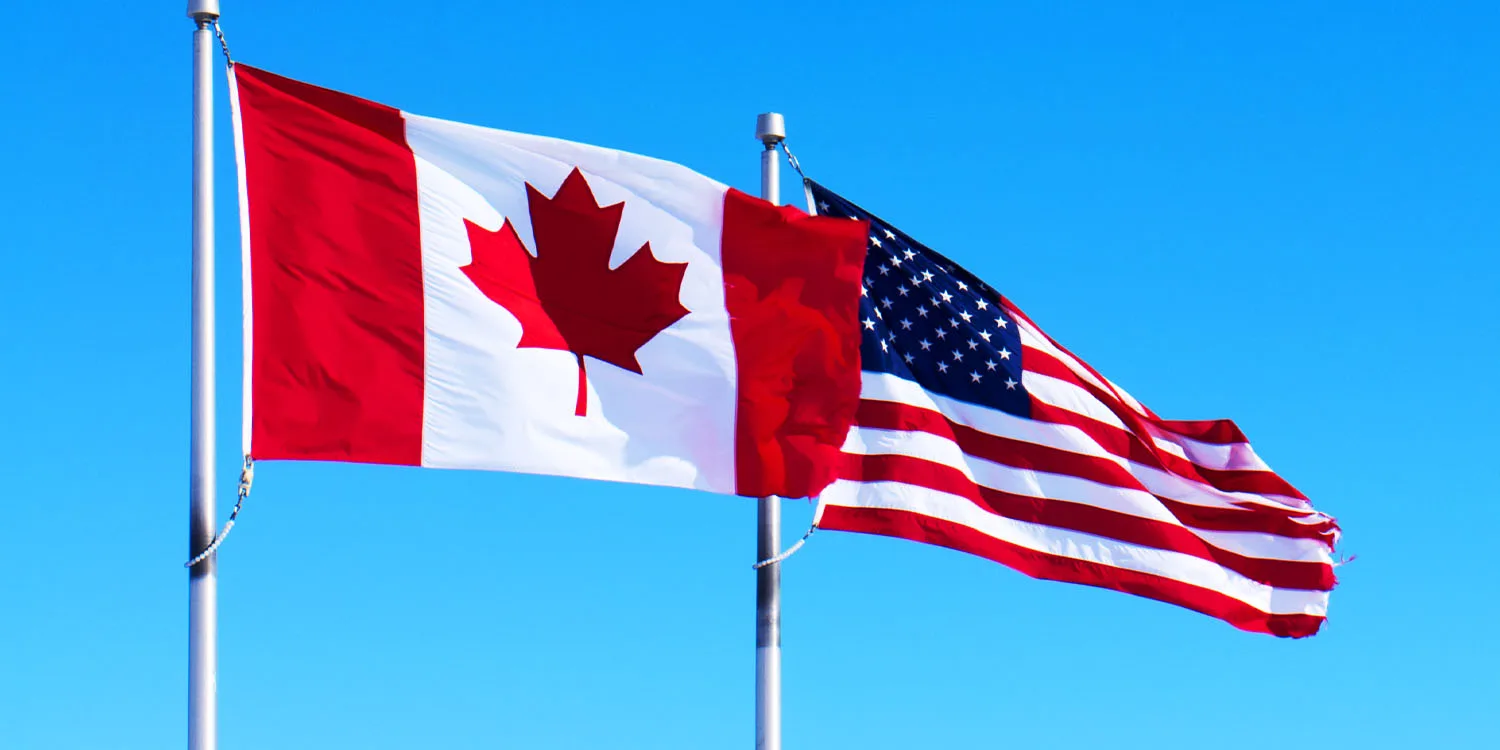
Overview of the New US Tariffs on Canada
The U.S. has introduced new tariffs on Canadian imports, affecting key industries such as manufacturing, agriculture, and consumer goods. These tariffs could lead to higher prices on U.S.-made products in Canada, prompting consumers to shift their spending toward locally made alternatives.
Canada strikes back
Mexico and Canada, the top two trading partners of the U.S., quickly promised retaliatory tariffs. In response, China announced it would challenge Trump's decision at the World Trade Organization and employ other "countermeasures."
Less than 24 hours Ontario Premier Doug Ford announced that all American liquor will be removed from LCBO shelves starting Tuesday.
“As part of Ontario’s response strategy to the imposed U.S. tariffs on Canadian goods, the government of Ontario has directed (the) LCBO to indefinitely stop all sales of U.S. alcohol products in our stores and online and to stop wholesale sales of U.S. products to restaurants, bars, grocery and other retailers no later than February 4, 2025,” a spokesperson from the Liquor Control Board of ONtario (LCBO) confirmed to CTV News.
British Columbia and Nova Scotia have also decided to remove American liquor from their provincially-owned stores.
Do you run a Canadian-based agency, publisher or startup?
How Canadian Brands Can Take Advantage of the Moment
This change now provides an opportunity for owners and marketers of Canadian-based companies to find new ways to participate in the "Made in Canada" and "Support Canada" movements taking place across the country.
With rising tariffs making U.S. products more expensive, Canadian brands have a unique opportunity to tap into national pride and the growing "buy local" movement. Here’s how they can shape their advertising and messaging:
1. Emphasize "Made in Canada" Branding
- Use clear and bold "Made in Canada" labels in packaging, websites, and advertisements to reassure consumers of authenticity.
- Highlight local sourcing, manufacturing, and sustainability efforts to reinforce the value of Canadian-made goods.
- Showcase Canadian symbols (e.g., maple leaf, national colors) in branding without overdoing it.
2. Create Campaigns Around Supporting Local
- Develop slogans like "Proudly Canadian," "Support Local, Buy Canadian," or "From Our Home to Yours."
- Feature real Canadian employees, artisans, and business owners in campaigns to create a personal connection.
- Partner with Canadian influencers, athletes, or celebrities to promote the movement.
3. Leverage Storytelling & Emotional Connection
- Share the brand’s origin story, emphasizing Canadian roots, values, and commitment to quality.
- Use customer testimonials from Canadians who prefer local products and appreciate their impact on the economy.
- Showcase how buying Canadian directly supports jobs and communities.
4. Engage Through Social & Digital Marketing
- Run social media challenges or hashtags like #BuyCanadian or #SupportLocal to encourage user-generated content.
- Create video ads and reels highlighting Canadian craftsmanship and the impact of local purchases.
- Use geo-targeted digital ads to reach consumers looking for Canadian-made alternatives.

RAISE YOUR PROFILE WITH THE MEDIA MARKETPLACE
Get your brand in front of media buyers and planners, connect with decision makers, and sell more inventory!
[adrotate banner=”6″]
