

[adrotate group=”3″]
Lindsey talked about cross platform buying; improved targeting; COVID's impact on TV; how brand are reaching cord cutters and cord "nevers" and a lot more.
Click the play button below to listen to our conversation or read it.
Subscribe with:



[00:00:00] Dave Forde: Lights camera action. It's your boy - Dave Forde, The Connected One, we are here for another episode covering the 2022 upfront new front season. This is where we look back at what the broadcast, what the digital players, what the apps have done and how they're gonna be looking to attract media buyers and brands to invest in their respective advertising solutions.
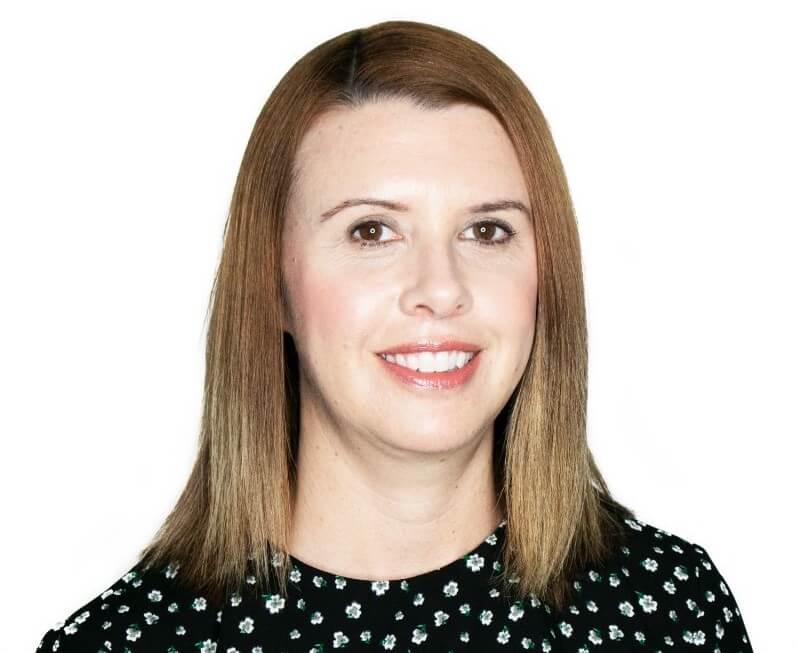
Today we have the one we have the only Lindsey Talbot, who is the Chief Investment Officer for GroupM Canada. Lindsay, what is going on?
[00:00:36] Lindsey Talbot: Hi, thank you for having me, absolute pleasure to be on here. So, again, thanks. Thanks for having me.
[00:00:43] Dave Forde: Now you have a big job description and that sounds like you do a lot.
I'm just gonna guess. So give, gimme a little breakdown. What exactly is your role?
[00:00:52] Lindsey Talbot: If I break it down, I oversee investment for all of the GroupM clients across all the GroupM agencies. So I [00:01:00] go to market, on behalf of, of every client and and, work with all of our partners to get the, the best value and the, the best partnerships that, that work, make sure they're working hard for our clients.
[00:01:13] Dave Forde: Very good. And that I'm sure role at that is certainly changing over the last couple of years, but probably for the entire time. Never moment. There you go. Never moment. So let's talk TV. What are your, some of your favorite shows from last season?
[00:01:27] Lindsey Talbot: Well, last season we were in lockdown. So let me just preface by saying in this household, you know, any content was good content.
Anything was welcome. And look, there was no shortage of quality programs and I think it's important to point out that there was a lot of good Canadian programs that gave a lot of our clients and advertisers, great opportunities to integrate. So live sports came back, which was huge.
The appetite for live sports was you know, certainly. Certainly large, Big Brother Canada. That [00:02:00] was that returned after being literally shut down mid season because of the, you know 2020 COVID outbreak. We launched Love Island Quebec Canada. So obviously a very popular franchise in the UK and, and the US.
And we were able to, launch it here with Quebec in Quebec. The Mass Singer in French, they launched their own version of it. And we all know it in French Canada. When they launch a new show in conventional television, the ratings are still through the roof. Bachelor in Paradise Canada that debuted and also look the Olympics. There was a great opportunity for a lot of our, our brands and clients to integrate and you know show their support for Team Canada. So no shortage of opportunities.
[00:02:47] Dave Forde: Sure. So again, we've just finished the upfront season, they announced number of new shows.
Are there any particular shows that you are looking forward to?
[00:02:56] Lindsey Talbot: Yeah, absolutely. I mean, I will say there weren't as many [00:03:00] new shows as we have seen in years past. And I think what that speaks to is that stability of a lot of the a lot of the schedules so pre-COVID you would have pilots that would maybe last two, three weeks.
And particularly if you know, they weren't pulling the ratings in the us, they would get yanked. Well, nobody has the bandwidth or production wherewithal to do that right now. So the good news is if you do have a pilot and it gets the green light, they're making a season.
Most likely they are making a full season. So we just, what we saw was the, the broadcasters in the US. And then obviously the Canadian broadcasters where they're purchasing a lot of their content. They didn't have as many holes to fill on their schedule as they have before. But a few of them that have interested that caught my eye.
There's Abbot Elementary. So that's a group of teachers brought together, one of the worst public schools in the US and, they're bonding over their, their love of teaching and wanting to help these kids. So, you know there's a [00:04:00] few well known actors in this series, but no humongous stars.
So there, you know, it has potential to grow, you know, develop a lot of those characters. Bell Media, CTV they are launching a Battle of the Generation, so it's quiz show where contestants of different ages compete to see who knows the most. So it's baby boomers versus gen X, millennials versus gen Z.
So that has the potential to be fun. And if they start to bring some celebrities in perhaps, you know have the celebrities in their families has potential to have some fun with that. I saw that there's a reboot Night Court coming which I'm not sure if we needed it, but I'm gonna give it a chance I'm here for it.
It'll be interesting cuz the only, you know, the only character that's returning from the original show in the eighties is, is Dan Fielding. So if you ever watch that show Dan Fielding in the eighties and his character and his characteristics do not fly in the world of [00:05:00] 2022. So, we'll have to see how his character has evolved without, you know, losing the funny edge of that character.
[00:05:06] Dave Forde: Good point. So speaking of actors, in your role, you obviously get to meet a lot of people. I'm sure you have tons of lunches all the time. Who is an actor that you'd like to break bread with?
[00:05:19] Lindsey Talbot: Brian Cox Succession. Okay. Hands down would love to would love to sit down with him and just pick his brain. I'm a huge Succession fan. But beyond that, I'm a huge Brian Cox fan. And I think it would just be really interesting to sit down. Sort of hear about his experiences, how he's developed some of the characters. I'm not expecting to sit down with Logan Roy. But you know, there's gotta be a little bit of Logan in him and I just, yeah, huge fan of that show and I would love to get his perspective on a few of the, the seasons and a few of the episodes.
[00:05:57] Dave Forde: Yep. So you talk about how you know, [00:06:00] this, this se the upcoming season doesn't have a lot of new shows, net new shows. Are there any trends that you notice coming out of this season's fronts?
[00:06:08] Lindsey Talbot: Yeah, so definitely the, the first trend, more stability in the networks, meaning the less new shows a lot of dramas, which is not new, but fewer comedies and a few unscripted. Typically, you know we saw a lot of unscripted programming throughout the pandemic because it's, it was a lot easier to shoot. It's very cost effective and it didn't require massive production. Schedule. So we're seeing less unscripted. I did notice that Love Boat is coming back, but it's an unscripted. Almost it, it seems to be like a Bachelor type program so that I'm not sure we needed that in our lives, but I'm not gonna lie. I'll watch it. I'm not afraid to admit it. What else do we see? I think the biggest trend. Cross platform buying. So, you know, making it a lot easier for us to [00:07:00] reach the right consumer, regardless of what screen they're watching it on.
And then, you know, really being able to target our desired audience, making that a lot easier and then just a focus on streaming and, and Connected TV.
[00:07:15] Dave Forde: Are there any trends that you've noticed over the last couple of years in terms of clients budgets? Are they getting bigger? Are they getting smaller?
Are there certain platforms that you're noticing they're moving towards versus others?
[00:07:27] Lindsey Talbot: Yeah. I mean, we're seeing a huge shift. I think the fastest shift we've seen is to Connected TV. We all know just over from our own viewing habits over the last past two years, how many streaming services we've all adopted in and what's available. And, yeah, we're certainly seeing a very rapid shift to Connected TV and the targeting capabilities that are available with that, you know, Creates a whole a whole lot of opportunities for us in terms of what we're doing with our overall video strategy. [00:08:00] So every channel that we plan and buy has a role to play.
And, and certainly depending on our client and brand KPIs we adjust accordingly, but you know, the role of linear versus linear television versus the role of Connected TV versus online video, they. They all fit together in a puzzle, but they all play very different roles and fulfill different strategies within their overall media plans.
[00:08:24] Dave Forde: So all this really is about the consumer and it seems like over the last three years, the amount of change that we've had as a soci, as a society has been greater, has been happening a lot faster than ever before, from a, from the political landscape, the social justice landscape. Are you notice anything that is making consumers want something different than they did in the past?
[00:08:48] Lindsey Talbot: Yeah, I think consumers are really demanding that, you know, they're the advertising that they see or the content that they see on their social [00:09:00] platforms is authentic. And that you know we pass that sentiment on to our clients. So make sure that what you're doing is authentic in that space. It's pride month and more and more you read articles and hear about it's very important for our clients to show up and support during pride month, but they can't disappear for the other 11 months of the year. Just as an example, it's, you know, all about your authenticity in that space and showing that you truly support a social cause and that you're there not only when it's, you know, advantageous to show off your branding. So it's really just about being authentic in the space and knowing when to pivot. I mean, there was, yeah, there was a lot of social unrest, obviously in the last two years. And we saw clients we saw clients react very, very quickly. There was in terms of who they were supporting in social and, and who they were choosing to to not support.
[00:09:57] Dave Forde: Do you think that this will become the new normal now [00:10:00] then for brands?
[00:10:01] Lindsey Talbot: I think so. I think they, you know, a as they're, as they're at agencies, we have to be there advising them and, and helping them to, to pivot very, very quickly sometimes to to, you know, stay ahead of, of what's what's what's happening in the world.
But absolutely, I think particularly in the social space where it's. Easy to you know, react and, and, and act appropriately or, or pull out in a, in a very quick manner. If it there's something that, you know, we, we should not be supporting the brands don't wanna be a part of. Yeah, I think that's, that's going to continue.
[00:10:36] Dave Forde: The advertising world, or, you know, how advertising is done is constantly changing, coming out of, you know, a post pandemic world. Are there any big changes or things that you're noticing in terms of how advertising is done?
[00:10:49] Lindsey Talbot: Yeah, I mean, the, the shift to connected TV has been so rapid. Even then the, the, you know, looking at the first quarter versus the second quarter [00:11:00] of this year, we've seen such a rapid shift to connect to TV, which is great because we've been educating our clients.
You know for the last few years in terms of where we, where we should be in this space and where we think the brand should be in this space certainly at a home. Has made a, you know, tremendous comeback. And then what we're really seeing out of, you know, beyond traditional static out of home is really all the opportunities in digital, out of home and now programmatic digital out of home.
So really that, that opportunity to get much more granular and much more targeted. And then lastly, for obvious reasons, cinema advertising has come back with the vengeance because right. A we're finally able to, to get back in into the theaters and there's some, the, the good and the bad news is that a lot of the releases sat on the shelves for two, three years, depending on what they were.
And now they're all, they're all coming out in succession. So a lot of opportunity.
[00:11:57] Dave Forde: As well, have you been back to the movie theaters yet? [00:12:00] Yourself?
[00:12:00] Lindsey Talbot: I did. I went and saw the the top gun sequel last weekend. Yes. There you go. Um, I. Important to note that I, I went with two friends and we had to, we had to go V I P big reclining seats, ball of wine, real food.
So yeah, it we, we went for, look at you bawling out. Exactly. It's been a long two years in this house, so . Yeah, it was, it was time to go all out.
[00:12:26] Dave Forde: Nice. So we've, we've certainly seen a lot more streaming service during providers over the last couple of years. What impact do you feel that's having on the traditional broadcasters?
[00:12:38] Lindsey Talbot: Look there's no. Yeah, there, there's no denying the drop in linear TV audiences has been, you know, slow and steady over the past five, even 10 years. But certainly there are, you know, there's cord cutters and there's cord nevers that we still need to reach through, you know, our clients still need to reach them. So [00:13:00] it's more important than ever to have a solid linear and Connected TV strategy understand where that sort of point of diminishing return is with your linear TV campaign. Or you're not reaching anyone else you're just paying for frequency. And then how much more unduplicated reach we can get through connected TV and more and more we're seeing more opportunities because we still have limited scope here in Canada in terms of our connected TV inventory. Add supported inventory, but, the exciting part is that Corus announce that Pluto TV, they will be representing Pluto TV coming here, in the fall. So that's, that's a whole opens up a whole opportunity, brand safe, quality, broadcast, quality, inventory in this market. And, that's really what we're hungry for. That's that's what we're after. For our clients. So it's a good opportunity for the broadcasters who also have their own Connected TV offering. So it's a good opportunity for them to work with us. And so that the dollars that we're seeing leave linear where you [00:14:00] know, we're actively trying to reinvest them with our broadcasters in the connected space.
[00:14:04] Dave Forde: Speaking of ad supported Netflix. They've been the biggest dog in the pound for years. Yeah. All of a sudden now things are changing. They are not quite there as they used to be. Yep. What impact do you think that Netflix's ad supported tier will have for the company, but also for the industry?
[00:14:24] Lindsey Talbot: Look for the industry. It's more inventory that we that we can access for our clients. So in terms of industry, it's a good opportunity, but we have to remember that not everyone's going to jump onto an ad supported model, even though Netflix has gone from what I think it was $8.99.
When I first signed up and now it's $17, $18. Not everyone's going to go to an supported model. So to assume that. Netflix subscribers will suddenly turn over to that model. It's it's not correct. We'll probably see less than 50%. [00:15:00] Probably. If I had to estimate year one, we might see 25 to 30% go to an ad supported model. It really depends on the level of tolerance. From, but again, more quality inventory that we have never been able to get our hands on before for our clients is still a good news story.
[00:15:20] Dave Forde: Okay. So speaking of clients and just brands overall, you know, how do, how should brands prepare for upfront season and what's to come next?
[00:15:29] Lindsey Talbot: That's a good question. And it really does depend, on the client and on the brand. I mean, when we, when we go into TV upfronts, linear TV, the pressure on the inventory is higher than ever because audiences have been dropping. We have limited supply in this market, so. We go in at upfront time. And we're buying feverishly. Our buyers are in there trying to buy the most efficient inventory in the best quality inventory at the best price. So it takes it takes more spots to [00:16:00] build the same amount of impressions that it did five years ago because the audiences are lower. So. The best advice we have for our clients is to approve early so that we can get in and get them the best inventory. That being said, there's also, we flex there, there's a trade off there's flexibility versus getting the most co cost efficient inventory. So we do our due diligence to educate them on what the risks are of laying in upfront. What the clauses are, what they can shift, what they could cancel if they needed to because of in this world more than ever. It's really hard for, and we understand for clients to commit to upfronts, not knowing what their business model is going to look like, what supply chain issues they're going to encounter.
So yeah, flexibility is key in understanding how you know important that is to them versus. Getting that most efficient inventory and understanding if they wait, they might not be able [00:17:00] to get in and buy the TV weight that they want. Because it just won't be there. We're seeing, we're seeing linear TV sell out faster than we ever have, but it's for the wrong reasons.
[00:17:10] Dave Forde: Okay. Interesting. You've had the opportunity to work with hundreds of brands of all different sizes. What, how, how do you define an iconic brand?
[00:17:21] Lindsey Talbot: That's a good question. It means, I think an iconic brand means a lot of different things to a lot of different people. To me. The brand that stands out whenever someone talks about and iconic brand adidas. They have kept it, you know, they've kept their branding. Very simple. It's very versatile, you know, it, you see the added us logo, you know what it is. They have stuck to what they are exceptionally good at, which is, you know, sponsoring the sport sporting events, they've always stayed authentic in their space. So yes, they're a bit of a fashion icon as well, but they know what they [00:18:00] represent in the sporting world. And I think they, you know they've stayed authentic. Over the years. So it's like, to me, that is a brand that's iconic. They've stuck to their guns. They they've kept it simple, but very strong messaging. And they know what they're great at and they stick to that. They stick to that model and then they do. They put money behind the, the sporting events that are important to them that they authentically know they belong, you as the sponsor of.
[00:18:34] Dave Forde: We're still on this hybrid work model. So therefore this year's upfronts, we had four broadcasters who presented and three of them had online ones and one had a live one. Or in person one, what do you see as the future for upfront?
[00:18:51] Lindsey Talbot: Look, it's a, it's a tough one. The New York up fronts, they all went forward this year in person, I think actually Fox brought [00:19:00] everyone in person and then had a virtual showing, which was an odd strategy, but It's tough because I know, and I attended them all, including the Bell Media upfront in person. And it was wonderful to be there. There's an energy that comes when you're in person. And, you know, you see the presentations, they brought the stars out on stage, and then you got to mingle with everyone after it, that energy you can't create that energy. From from home virtually, but right. That being said the cost to do some of these events is tremendous. So sure. It's a tough one. If I was the one signing off on some of these upfront bills, I'm not sure I would, I would know what that answer is, but I will say, yeah. The energy at the at the Bell up front was, uh, bar none, but also we'd been locked up for two years and had to see one another.
So perhaps that had something to do with it, but yeah, it, it definitely made a difference just in terms of engaging with the content you're in a [00:20:00] theater, you're watching it live versus, you know, the other fronts. They were great. They were well produced, but you're at home or you're in your office. You're watching. And you're probably doing five other things while it's happening. So it's, it's a tough one. I'd like to see them continue in person. But I also understand the, the cost to have these events it's astronomical.
[00:20:21] Dave Forde: Right? Okay. Well there you have at boys and girls, the one and only Lindsay Talbot, appreciate your time today.
[00:20:27] Lindsey Talbot: Thank you so much, really enjoyed it. Great way to end the week..
[00:20:31] Dave Forde: Excellent. Talk to you very, very soon. All right. Good.
DIGITAL HUB
COMING SOON...
Over the last few years there has been a lot of changes within the advertising industry, new products and services, it can often be difficult to keep up with which vendor offers what or what tool is best to help you grow your brand. We are pulling together a few friends to help provide ongoing answers in our new Digital Hub. Sign up below to get early access when the doors are open.
Want to see a quick preview of who is part of our Digital Hub?
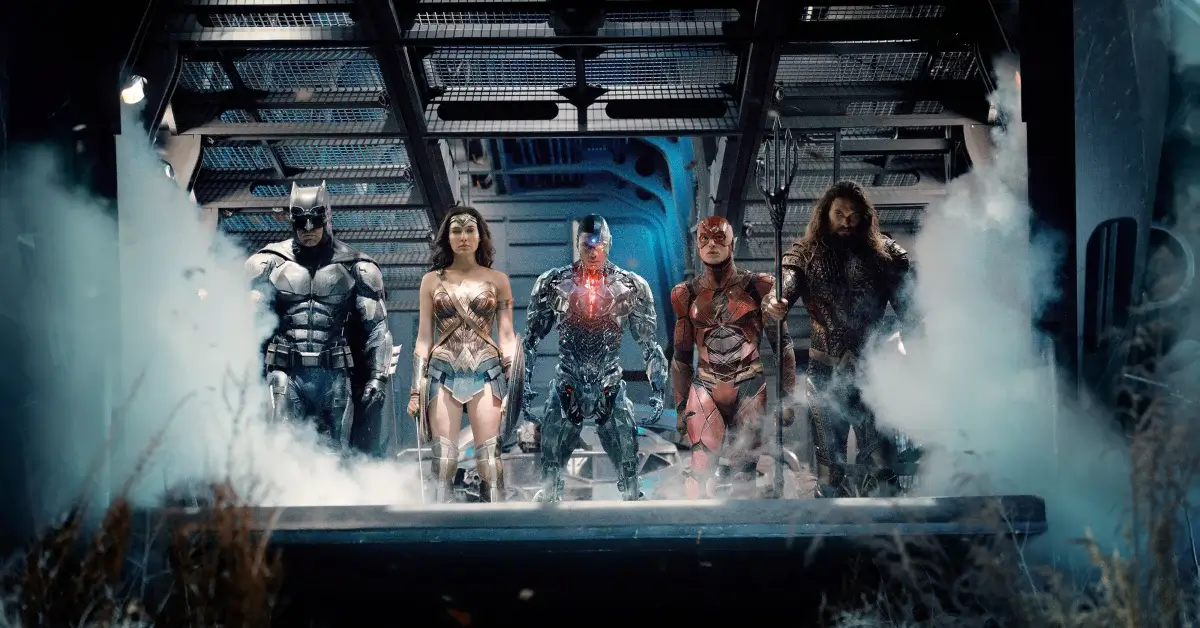
Ok, ok  Well maybe not this group, but similar to the vets we interviewed from Media Experts, GroupM Canada, M&K Media, and True Media Canada, our Digital Hub will have some of the industry's top voices (or Super Friends) within the Canadian digital eco-system that will provide ongoing Thought Leadership, Interviews, Opinions and other updates that will help brands navigate to more success. It is time for the Canadian advertising industry to unite and work together!
